Back to Retro: How to Use This Vintage Font Without Making Common Design Mistakes
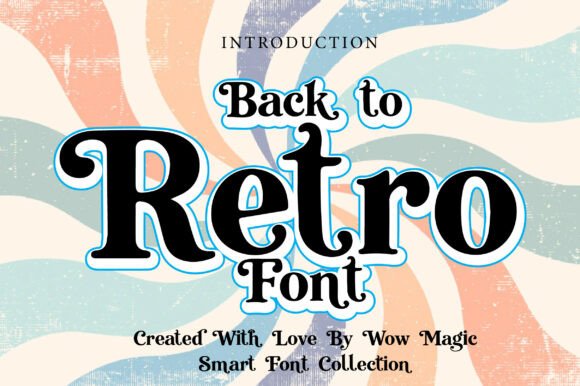
The pull of nostalgia is a powerful force in design. We see it everywhere, from the resurgence of vinyl records to the warm, textured aesthetic of 70s-inspired branding. At the heart of many of these designs is a typeface that evokes a specific time and place. The Back to Retro font is a perfect example, a charming vintage display typeface that channels the spirit of classic signage, old-school packaging, and mid-century editorial design. Its letterforms are a delicate balance of elegant and playful, making it a go-to for creators aiming to inject a dose of timeless personality into their work.
For designers, entrepreneurs, and creators, a font like Back to Retro Font is more than just a collection of letters; it’s a shortcut to a specific mood. It promises to deliver that familiar vintage feel for projects ranging from café logos and retro posters to social media graphics and book covers. However, the path from a great font to a great design is fraught with potential missteps. Choosing and using a display typeface with such a strong character requires a thoughtful approach to avoid undermining the very nostalgia you're trying to create. Let's explore the common pitfalls and how to navigate them for truly effective results.
Avoiding the "Costume" Effect: Authenticity Over Caricature
One of the most frequent errors when working with a retro typeface is using it in a way that feels like a costume rather than a genuine nod to the past. This happens when the font is paired with modern elements that clash, or when it's used to create a design that mimics a bygone era without any understanding of its design principles. The result can look cheap or inauthentic, undermining the intended message.
Consider a modern tech startup using Back to Retro for its primary logo. While the font is beautiful, its vintage charm may conflict with a brand identity built on innovation and the future. The disconnect can confuse the audience. A better approach is to use the font for a specific, contextual element. Perhaps the startup is launching a limited-edition "heritage" product line or hosting a themed event. Here, Back to Retro can be used on promotional materials to signal that specific campaign, while the main brand retains its modern typeface.
The Pitfall of Overuse and Visual Clutter
Because Back to Retro Font has such a distinct personality, overusing it is a fast track to visual clutter. Setting an entire paragraph or a long block of text in a display font is a classic mistake. Its intricate details and unique shapes, which make it perfect for headlines, become distracting and difficult to read in smaller sizes or dense blocks.
The rule of thumb is simple: let the display font be the star. Use it for your main headline, a key logo, or a short, impactful quote. For body text, subheadings, and supporting information, choose a complementary sans-serif or a simple serif font. This creates a clear hierarchy, allowing the retro charm of Back to Retro to shine without overwhelming the viewer. For example, on a poster for a local bakery, you might use the font for "Artisan Breads" but use a clean font like Lato or Open Sans for the list of ingredients and the bakery's address.
Technical Oversights That Undermine Quality
Beyond the conceptual application, practical technical details are often overlooked, leading to final products that look unprofessional. A beautiful typeface can be rendered ineffective by poor execution.
- Ignoring Kerning and Tracking: The default spacing between letters in a display font isn't always perfect for every word. Back to Retro may require manual kerning (adjusting the space between specific letter pairs) to look balanced, especially in logos. Ignoring this can make words look awkwardly spaced, cheapening the design.
- Scalability Issues: While it looks stunning at a large size on a poster, have you checked how it renders at a small size on a mobile screen? A font with fine details can become a blurry blob. Always test your design at the smallest intended size to ensure legibility.
- File Format and Licensing: Downloading a font from an unreliable source can lead to corrupted files or, worse, copyright infringement. Always purchase or download Back to Retro from a reputable foundry or distributor. Read the license agreement carefully. A license for a personal blog is different from one for a commercial product sold worldwide.
Making Smarter Choices: A Practical Checklist
Before you commit to using Back to Retro Font in your project, run through this quick mental checklist to ensure it's the right tool for the job.
- Define the Project's Core Message: Does the project genuinely call for a vintage, nostalgic feel? Is it a core part of the brand's story, or are you just following a trend? If it's the latter, consider a more neutral typeface that won't date your design as quickly.
- Consider Your Audience: Will your target audience connect with this retro aesthetic? For a project aimed at a younger demographic unfamiliar with the source material, the font might feel quirky but not nostalgic. For an audience that lived through the era, authenticity is key.
- Audit the Visual Ecosystem: Look at the other fonts, colors, and imagery you plan to use. Does Back to Retro harmonize with them, or does it fight for attention? Create a mockup to see the elements together before finalizing your design.
- Test for Versatility: Try setting different words and phrases. Does it work for both short and long titles? Test it in uppercase and lowercase. A great design font should offer some flexibility.
Ultimately, a typeface like Back to Retro is a powerful asset in a designer's toolkit. Its ability to evoke a specific, charming era is unmatched when used correctly. By avoiding the pitfalls of inauthenticity, overuse, and technical neglect, you can leverage its timeless appeal to create designs that are not only visually striking but also clear, effective, and genuinely resonant. The goal isn't just to look retro, but to feel retro in a way that serves your project's purpose beautifully.