The Unmistakable Voice of Super Rough: Why Distressed Typography Commands Attention
There’s a particular kind of design challenge that calls for more than clean lines and perfect geometry. It demands texture. It requires a voice that speaks of history, of hands-on craft, of something real and tangible. This is the space where a typeface like Super Rough doesn’t just enter—it makes a grand entrance. It’s not merely a font; it’s a statement piece, a tool for injecting immediate personality and rugged charm into any visual project.
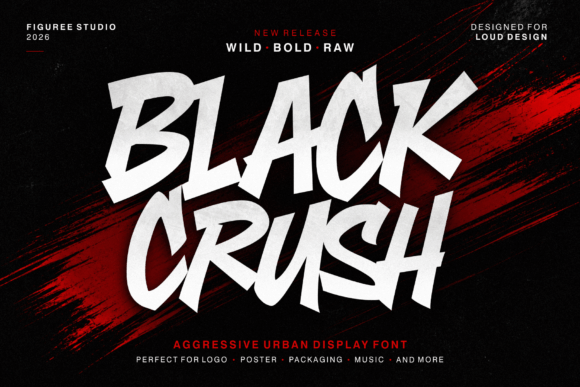
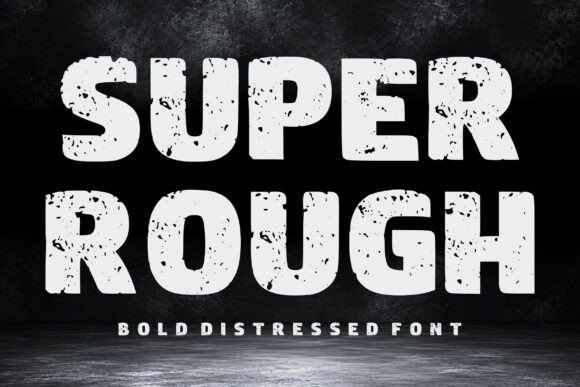
At its core, Super Rough is a distressed display typeface, but that simple description hardly does it justice. Think of it as typography with a past. The letters aren’t just shaped; they’re weathered, worn, and textured as if they’ve been pulled from an old workshop sign or a vintage industrial label. This inherent character is its superpower. For designers, it solves a common problem: how to make something look authentically aged and full of soul without spending hours in Photoshop applying grunge overlays.
Beyond the Surface: Understanding the Anatomy of a "Rough" Font
What makes a distressed font like Super Rough effective isn’t just a random collection of scratches. The best versions are meticulously crafted. Each glyph maintains excellent legibility despite its rugged details. The distress patterns are consistent across the entire character set, ensuring that a headline set in this typeface feels cohesive, not chaotic. The texture is applied with intention—it suggests wear and tear without destroying the letterform’s fundamental structure.
This balance is critical. You get the visual impact of a hand-stamped or screen-printed aesthetic with the reliability and scalability of a digital font. It’s the difference between a font that looks authentically rough and one that simply looks poorly made. The designers behind Super Rough have focused on creating that authentic feel, ensuring the texture adds to, rather than detracts from, the message.
Practical Applications: Where Super Rough Truly Shines
The true test of any typeface is in its application. Where does a bold, distressed font like this find its home? The answer is surprisingly versatile, spanning both digital and physical realms where making a memorable impression is key.
- Branding and Logo Design: For brands that want to convey heritage, craftsmanship, or a rebellious edge, Super Rough is a perfect fit. Imagine a craft brewery logo, a boutique barbershop, or an outdoor apparel company. The texture tells a story of quality and authenticity before a single word of copy is read.
- Apparel and Merchandise: This is a natural habitat. T-shirt graphics, hat embroidery, and tote bag prints thrive on bold, textured typography. The distressed look translates beautifully to screen printing and direct-to-garment methods, giving products a vintage, worn-in feel right off the shelf.
- Poster and Packaging Design: Whether for a music festival, a farmers' market, or a specialty food product, packaging needs to stand out. Super Rough commands attention on a shelf or a wall. Its gritty texture can evoke a sense of handmade quality for artisanal goods or raw energy for event promotions.
- Digital Media and Social Content: In a sea of clean, minimalist feeds, a textured headline stops the scroll. Use it for YouTube thumbnails, Instagram story headers, or website hero sections to immediately set a specific, impactful tone.
Fitting Into the Modern Designer's Workflow
Adopting a new typeface into your toolkit isn’t just about aesthetics; it’s about workflow. A well-designed distressed font should make your job easier, not harder. Super Rough is built for this. Because the texture is embedded in the font file, you can apply it as easily as any other typeface in your design software. Need to change the copy? Just retype. Want to adjust the size? Scale it freely. The distress pattern scales with the vector outline, maintaining its integrity.
This is a massive time-saver compared to the manual process of creating and applying separate texture masks. It allows for rapid experimentation. You can test dozens of headline options in a fraction of the time, making it an invaluable asset for fast-paced projects or client revisions. It integrates seamlessly into modern workflows in Adobe Illustrator, Photoshop, InDesign, Figma, or Affinity Designer.
Choosing the Right Tool: Considerations for Your Project
Before you dive in, it’s worth considering a few factors to ensure Super Rough is the right choice for your specific need.
- Context and Tone: The distressed aesthetic carries strong connotations. It feels vintage, industrial, or handcrafted. Ensure this aligns with your project’s overall message. It might not be the best fit for a luxury jewelry brand aiming for sleek modernity, but it’s perfect for a artisan coffee roaster.
- Legibility at Scale: While excellent for headlines and logos, very small text sizes might cause the texture details to become muddy or lost. Always test your intended size. For body copy, pair it with a clean, simple sans-serif or serif font to ensure readability.
- Color and Contrast: The texture really pops against solid, contrasting backgrounds. Try it in a single, bold color on a neutral field for maximum impact. It also works beautifully with a slight color overlay to simulate vintage ink or paint.
- Pairing with Other Fonts: Super Rough is a showstopper. Let it be the star. Pair it with a subdued, geometric sans-serif for supporting text. This contrast creates a dynamic and professional hierarchy, allowing the distressed font to handle all the heavy lifting in terms of visual personality.
In the end, the power of a typeface like Super Rough lies in its ability to communicate on a visceral level. It bypasses the purely informational and taps into a feeling—of strength, of history, of something made with care and built to last. For the designer looking to add that essential layer of texture and character, it’s more than just a font; it’s a gateway to more compelling and resonant visual storytelling.