Integrating Creative Mothers: A Practical Guide to Enhancing Your Visual Workflow
In the realm of digital design and content creation, typography is often the silent workhorse that dictates the success of a project. While bold headlines and minimalist sans-serifs dominate the web, there remains a critical need for typefaces that convey warmth, elegance, and a personal touch. This is where Creative Mothers enters the conversation. It is not merely a decorative asset; it is a functional tool designed to bridge the gap between timeless calligraphy and modern digital requirements. For professionals ranging from educators to marketers, understanding how to integrate a script font like Creative Mothers into a production workflow is essential for maintaining both aesthetic appeal and operational efficiency.
Understanding the Anatomy of the Font
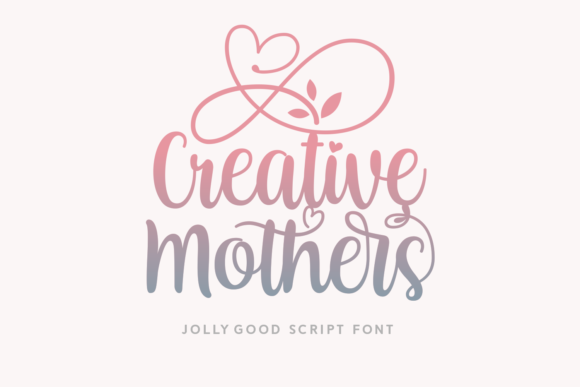
Before deploying Creative Mothers in a live environment, it is necessary to understand its design philosophy. The font is described as a dazzling script with a lovely atmosphere and spotless form. From a technical standpoint, this translates to high legibility and consistent vector quality. It avoids the extremes of being too thin—which causes rendering issues on low-resolution screens—or too thick, which can obscure letterforms in smaller sizes.
The "balanced and varied" nature of the font is a key feature for workflow integration. In practical terms, this means the character set likely includes alternate glyphs, swashes, or ligatures. For a graphic designer or a freelancer, this variety is crucial. It prevents the "digital look" where every repetition of the letter 'a' is identical, which can break the immersion of a handwritten aesthetic. When assessing Creative Mothers, you are looking at a tool that mimics the organic flow of ink on paper, making it ideal for projects that require a human element.
Strategic Application in Project Lifecycles
Integrating a specific typeface into a workflow requires planning. You cannot simply swap fonts at the end of a project without risking layout breakage. Creative Mothers should be introduced during the initial concept phase, particularly for projects centered on branding, wedding stationery, or boutique product packaging.
The Pre-Production Phase
For small business owners and entrepreneurs, the decision to use a script font often happens during the mood boarding stage. When defining the visual identity of a brand, Creative Mothers serves as the "voice" of the brand’s personality. If the brand targets a demographic that values tradition, craftsmanship, or elegance, this font fits the criteria. During this phase, you should test the font against your primary sans-serif or serif body text. Because Creative Mothers is inspired by classic calligraphy, it pairs best with clean, neutral fonts that allow the script to stand out without creating visual clutter.
Production and Execution
Once the project moves to execution—whether that is designing a website header, a social media graphic, or a physical invitation—Creative Mothers becomes the focal point. For marketers creating social media assets, the font’s "spotless form" ensures that text remains readable even when overlaid on complex backgrounds. However, practical implementation requires attention to tracking and leading. Script fonts generally require tighter letter spacing than block letters. A practical tip for designers is to manually kern the letters in logos or hero sections to ensure the connections between letters look natural, mimicking the flow of actual handwriting.
Workflow Integration for Specific Professions
Different professionals will interact with Creative Mothers in distinct ways. The utility of the font changes depending on the end-user and the medium.
For Educators and Course Creators
Educators often need to create materials that feel welcoming and encouraging. Using Creative Mothers for headers on worksheets, certificates of completion, or slide deck titles can soften the tone of the content. In this workflow, the font acts as a tool for engagement. It signals to the learner that the content is approachable. However, educators must exercise quality control here; script fonts should never be used for body text or long-form instructions, as they reduce reading speed. Use Creative Mothers for emphasis and hierarchy, not for bulk information.
For Publishers and Bloggers
Content creators face the challenge of standing out in a saturated market. A blogger might use Creative Mothers for their site logo or for pull quotes within articles to break up text monotony. The integration process here involves CSS implementation. When uploading the font to a content management system, ensure that the file size is optimized for web performance. A "dazzling" font loses its appeal if it significantly slows down the page load time, which negatively impacts SEO and user retention.
For Product Packaging and Hobbyists
For those involved in physical products—such as candle makers, bakers, or crafters—Creative Mothers offers a high-end look without the cost of hiring a calligrapher for every label. The "timeless classic" inspiration suggests that the font will print well on textured materials like matte paper or cardstock, where ink absorption can sometimes blur fine details. The "not too thin" characteristic is particularly beneficial here, ensuring that the text remains legible on physical packaging viewed from a distance.
Technical Compatibility and Asset Management
Smooth integration of any asset depends on compatibility. Creative Mothers is designed to be versatile, but proper asset management is still required by the user. If you are working within a team—such as a marketing agency or a publishing house—establishing a style guide is the first step.
The style guide should dictate exactly where Creative Mothers is permitted. For example, it might be restricted to H1 headers and logo usage only. This prevents the "ransom note" effect where a document uses too many decorative fonts, leading to a chaotic and unprofessional appearance. By defining these rules during the planning stage, you ensure consistency across all deliverables, regardless of who is executing the design work.
Furthermore, consider the file formats provided. Ensure that the font is available in web formats (WOFF2, WOFF) for digital projects and OTF/TTF for print design. Creative Mothers works best when the environment supports OpenType features. If you are using software like Adobe Illustrator or InDesign, explore the Glyphs panel to access the alternates mentioned in the font’s description. This allows you to customize the tail of a 'y' or the crossbar of a 't' to better fit the specific space you are working with.
Long-Term Usability and Quality Control
A font is a long-term investment. The decision to incorporate Creative Mothers into your toolkit should be based on its longevity. Because it draws inspiration from timeless calligraphy rather than fleeting trends, it is less likely to look dated in five years. This is a significant advantage for business owners building a brand identity; you want assets that will age gracefully.
Quality control involves testing the font across different devices and browsers. While Creative Mothers is designed with a spotless form, rendering engines vary. Test the font on mobile devices to ensure the delicate strokes of the script do not disappear on smaller screens. You may need to increase the font size slightly for mobile views to maintain the "lovely atmosphere" intended by the designers.
Ultimately, Creative Mothers is more than just a download; it is a component of a larger visual strategy. By understanding its technical strengths, pairing it appropriately with complementary fonts, and applying it judiciously within your specific workflow, you can elevate the quality of your projects. Whether you are finalizing a wedding invitation, launching a new product line, or designing educational materials, this font provides the balance of elegance and utility required to communicate effectively and beautifully.