Lovely Jennie: A Playful Handwriting Font for Every Creative Project
Sometimes a project needs more than just words on a page; it needs a voice. When the standard, rigid typefaces of corporate reports feel too cold for a wedding invitation or a child's birthday banner, creators often turn to typography that mimics human touch. Lovely Jennie steps into this space as a distinct option. It is a playful, handwritten typeface characterized by organic, fluid lines and soft curves. By moving away from the strict geometry of sans-serifs and the formal serifs of traditional print, this font creates an inviting and relaxed atmosphere that immediately changes the viewer's perception of the content.
The Anatomy of a Whimsical Typeface
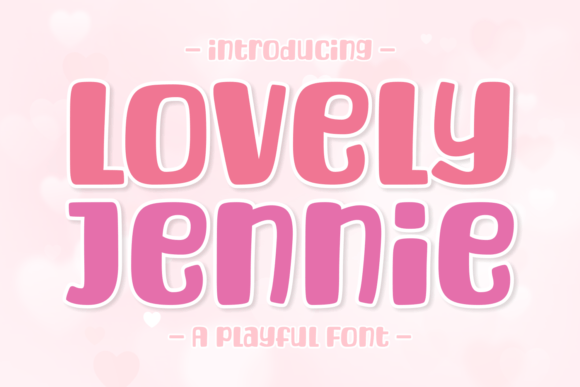
At its core, Lovely Jennie is designed to emulate the natural irregularities of human handwriting. Unlike "script" fonts that connect every letter in a continuous, often difficult-to-read cursive, this font offers a balance between legibility and style. The letterforms are crafted with varying stroke weights, giving the impression that they were drawn with a felt-tip pen or marker. This organic quality means that the text feels approachable rather than manufactured.
For those evaluating typography, the distinction lies in the "atmosphere" the font generates. A font like Lovely Jennie does not just convey information; it conveys emotion. It suggests warmth, friendliness, and a lack of pretension. This makes it particularly effective for contexts where the goal is to build a personal connection with the reader rather than to assert authority or formal structure.
Why Different Audiences Care About Typography
While a font might seem like a minor detail, it plays a pivotal role in how a message is received. Different groups of people view typefaces through different lenses, prioritizing everything from emotional resonance to conversion rates.
For Marketers and Brand Strategists
Marketers understand that typography is a silent ambassador for a brand. If a company wants to project an image of being approachable, customer-centric, and creative, a rigid corporate font can be counterproductive. Lovely Jennie offers a solution for campaigns targeting younger demographics or promoting lifestyle products. It can soften the hard edges of a "Call to Action" or make a newsletter feel less like spam and more like a note from a friend. The priority here is often psychological impact—ensuring the visual tone matches the campaign's emotional goal.
For Small Business Owners and Entrepreneurs
Small business owners, particularly those in the service or artisan sectors (such as bakeries, boutique shops, or wellness studios), often struggle with branding consistency. They need a visual identity that reflects the care they put into their products. For these users, the practical value of a font like Lovely Jennie lies in its ease of use and immediate branding effect. It allows a business owner to quickly design a flyer, price tag, or social media post that looks cohesive and professional without hiring a graphic designer for every small task.
Educators and Community Organizers
In educational settings, the tone of the material can significantly affect engagement. Worksheets for young children, flyers for school events, or newsletters for parent-teacher associations benefit from a font that feels welcoming. Educators often prioritize legibility alongside friendliness. A font that is too chaotic can confuse early readers, but a structured handwritten font like Lovely Jennie helps maintain readability while keeping the atmosphere light and encouraging.
Designers, Bloggers, and Content Creators
For graphic designers and bloggers, a font library is a toolkit. They evaluate typefaces based on flexibility and aesthetic range. A designer might choose Lovely Jennie to break the monotony of a layout, using it for pull quotes or sub-headers to create visual hierarchy. Bloggers, particularly in niches like DIY, travel, or parenting, may use it to give their visual content a "journal" feel, enhancing the personal narrative aspect of their work.
Practical Applications and Use Cases
The utility of a font is defined by where it is placed. Using a handwritten style effectively requires understanding the medium.
- Digital Invitations and Greetings: This is perhaps the most natural fit. Whether it is a digital wedding save-the-date or a simple "Thank You" graphic for social media, the font adds an immediate layer of intimacy.
- Branding for "Human" Services: Life coaches, therapists, yoga instructors, and consultants often want to appear professional yet empathetic. Using Lovely Jennie for logo accents or business card details can signal that the client will be dealing with a person, not a corporation.
- Product Packaging: For small-batch goods—like homemade jams, candles, or cosmetics—handwritten fonts on labels suggest that the product was made with care and individual attention.
- Internal Communications: Even within large companies, internal newsletters or morale-boosting emails can benefit from a change in typeface to signal that the content is casual or celebratory rather than policy-driven.
Evaluating Lovely Jennie: What to Look For
When deciding if this font is the right tool for a specific project, users should evaluate it against several key criteria. These priorities shift depending on the user's skill level and the project's longevity.
Ease of Use vs. Customization
For a beginner or a hobbyist creating a one-off party invitation, ease of use is the priority. They need a font that looks good immediately upon typing, without requiring kerning adjustments (the space between letters) or complex software. Lovely Jennie’s design generally works well "out of the box" for display sizes.
Conversely, a professional designer might look for OpenType features—such as alternate characters or ligatures—to ensure that repeated letters (like the "oo" in "look") don't look identical, which breaks the illusion of natural handwriting. If the project requires high-end customization, the user should check if the font file supports these advanced features.
Legibility and Hierarchy
A common mistake with handwritten fonts is using them for long blocks of body text. This causes eye strain for the reader. Lovely Jennie is best evaluated as a display font. Users should test it at the size they intend to use it. Does it remain readable at a glance? Is the contrast between thick and thin strokes too high for small sizes? For headers and titles, it excels; for the fine print, a clean sans-serif is usually a better companion.
Commercial Value and Licensing
For freelancers and business owners, the commercial value is tied to licensing. A font might be free for personal use but require a license for commercial work (like a logo or a product sold for profit). Understanding the licensing terms is a practical necessity for professionals to avoid legal issues down the line.
Matching the Font to the Project
Ultimately, the decision to use a specific typeface like Lovely Jennie comes down to alignment. Does the visual style of the letters match the verbal style of the content?
If the project involves legal documents, financial reporting, or academic papers, this font would be inappropriate and damaging to credibility. However, if the goal is to evoke joy, nostalgia, or personal connection, it is a strong candidate.
For a hobbyist scrapbooking their travels, the font adds a layer of personality to the memories. For a marketer, it is a strategic tool to lower the audience's guard. For a small business owner, it is a way to translate the warmth of their physical service into a digital format.
By considering the audience's expectations and the project's functional requirements, users can leverage Lovely Jennie to transform standard text into a meaningful visual experience. It serves as a reminder that in communication, how something is said is often just as important as what is said.