Mastering Caydence: A Designer's Guide to the Modern Monoline Handwritten Font
In the world of digital design, typography is the silent ambassador of your brand. It carries the weight of your message, sets the emotional tone, and can either build instant trust or create subtle friction. Among the myriad of font styles available, the Caydence modern monoline handwritten font has emerged as a popular choice for creators seeking a specific blend of elegance and approachability. Its sweet, lively character offers a fantastic way to inject personality into a project. However, its effectiveness hinges entirely on understanding its nature and avoiding common pitfalls that can undermine a design's professionalism.
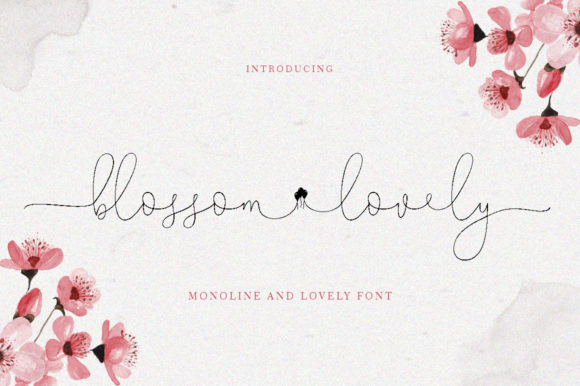
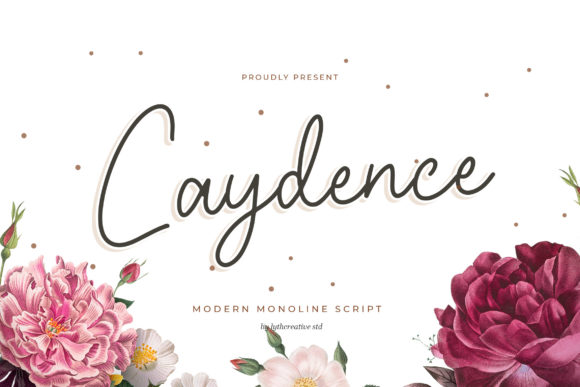
At its core, Caydence is a single-weight, flowing script that mimics the natural, connected strokes of a pen. This "monoline" quality means the stroke width remains consistent, giving it a clean, contemporary feel compared to more traditional calligraphy fonts with dramatic thick-and-thin variations. This makes it exceptionally versatile for applications where readability and a modern aesthetic are paramount. Think of a signature logo for a boutique consultancy, a heartfelt quote on a wedding invitation, or a distinctive watermark on a photographer's portfolio. In these contexts, Caydence shines, conveying creativity, personal touch, and sophistication.
The First Hurdle: Understanding the "Handwritten" Label
A frequent misunderstanding begins with the term "handwritten" itself. Many designers, especially those new to script fonts, assume this means the font will be as legible as standard body text. This is a critical error. Caydence is an expressive display font, not a workhorse text font. Its primary purpose is for headlines, logos, and short, impactful phrases. Using it for paragraphs of body copy would be a significant mistake, leading to poor readability, visual fatigue for the reader, and an unprofessional presentation. The charm of its connected letters becomes a liability in long-form text, where individual character distinction is crucial for effortless reading.
The better approach is to treat Caydence as a highlight. Pair it with a clean, highly legible sans-serif or serif font for body text. For instance, a wedding invitation might use Caydence for the couple's names and a simple serif like Georgia for the event details. This creates a beautiful hierarchy, allowing the script to deliver its emotional impact without sacrificing the clarity of essential information. Before applying Caydence, always ask: "Is this the right context for an expressive, decorative font, or does this need to be read quickly and easily?"
The Overlooked Technicalities: Licensing and File Formats
Another area where creators often stumble is the technical and legal side of acquiring fonts. A quick search for "Caydence font download" might yield results from various sources, but not all are created equal. Overlooking the font's licensing agreement is a common and potentially costly oversight. A font listed as "free for personal use" is often not licensed for commercial projects—like a client's logo, merchandise, or business materials. Using it without the proper license is a violation of copyright and can expose you or your client to legal and financial risk.
Furthermore, the source of your download matters for quality and security. Reputable font foundries and marketplaces provide clean, well-optimized font files (like .OTF or .TTF). Files from dubious sites may be corrupted, contain incomplete character sets, or even harbor malware. This can lead to frustrating technical issues, such as the font not rendering correctly in design software or, worse, compromising your system's security. The practical advice is simple: always verify the license for your intended use and download fonts from the official creator or authorized retailers. This ensures you get a high-quality product, support the type designer, and operate legally.
Design Application: Context is Everything
Even with the right license and understanding of its role, the application of Caydence requires a thoughtful eye. A common mistake is forcing it into a design context where its personality clashes. For example, using this sweet, lively font for a law firm's website header or a financial report would create a serious disconnect. The font's style communicates a specific mood—warm, personal, creative—and that mood must align with the brand's message and audience expectations. A mismatch here can confuse viewers and dilute the intended communication, making the brand seem less credible or coherent.
To avoid this, conduct a brief style assessment. Does your project call for a human, approachable, and artistic touch? If yes, Caydence could be a perfect fit. If the project demands authority, tradition, or stark minimalism, a different typographic choice would be more effective. Consider the overall composition. A beautifully crafted Caydence logo can be undermined by poor spacing (kerning) between letters or by placing it on a busy background where its elegant lines get lost. Always test your design at various sizes and on different backgrounds to ensure the font remains clear and impactful.
Technical Execution: The Devil in the Details
Finally, the technical execution of using a script font like Caydence is where many designs fall short. The most frequent issue is poor letter spacing (kerning). Because the letters are designed to connect, the default spacing may not be perfect for every combination. Failing to manually adjust the kerning in your design software can result in awkward gaps or cramped connections between specific letter pairs, disrupting the fluid, handwritten illusion. This small detail has a huge impact on the perceived quality and polish of the final product.
Another technical consideration is its behavior in different software. While Caydence will work in most modern design applications, its OpenType features (like stylistic alternates or swashes, if available) may only be accessible in advanced programs like Adobe Illustrator or InDesign. If you're working in simpler tools, you might not have access to all the decorative variations that can make your design unique. Before committing to a design concept that relies on special alternates, verify that your workflow supports accessing those features.
In the end, Caydence is a powerful tool in a designer's arsenal. Its modern monoline style offers a wonderful way to brighten designs and add a personal signature. By respecting its role as a display font, securing it from reputable sources, applying it in suitable contexts, and paying attention to the technical nuances of its implementation, you can confidently leverage its charm. This mindful approach ensures that the font enhances your project, communicates the right message, and elevates your work from good to genuinely memorable.