Simple Morning: Elevating Your Projects with a Touch of Whimsy
In the vast world of digital design, typography is more than just a vessel for information; it is the voice of your brand. Finding a font that conveys warmth, authenticity, and a personal touch can often feel like searching for a needle in a haystack. Many designers struggle to find typefaces that feel genuine rather than sterile or overly polished. This is where Simple Morning enters the conversation. As a sweet and friendly handwritten font, it bridges the gap between professional design needs and the human desire for connection. Its natural and unique style makes it incredibly fitting for a large pool of designs, offering a refreshing alternative to the rigid geometric fonts that dominate the digital landscape.
The Challenge of Digital Authenticity
One of the most significant hurdles in modern design is overcoming the "digital coldness" inherent in screens and pixels. Whether you are a small business owner trying to connect with local customers or a graphic designer working on a lifestyle brand, the goal is often the same: to make the audience feel welcome. Standard serif and sans-serif fonts are excellent for readability in body text, but they often lack the emotional resonance required for headlines, logos, and personal correspondence. Designers frequently encounter the problem of their work feeling too corporate or impersonal, which can create a psychological distance between the brand and the consumer. The challenge lies in finding a typeface that mimics the imperfection and beauty of human handwriting without sacrificing legibility or versatility.
How Simple Morning Addresses the Need for Warmth
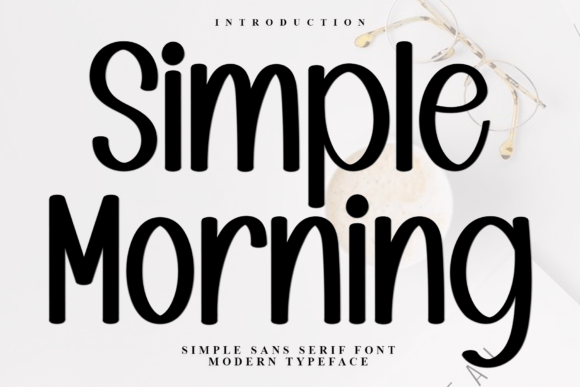
Simple Morning is designed specifically to solve the problem of emotional disconnect. By utilizing a handwritten style, it instantly injects personality into a layout. The font features soft edges, varying baseline shifts, and a rhythm that mimics natural penmanship. This creates an immediate sense of intimacy. When a user sees text rendered in Simple Morning, they subconsciously register it as a personal message rather than a mass-produced advertisement. This psychological trigger is invaluable for brands aiming to build trust and loyalty. It suggests transparency and friendliness, making it an excellent tool for businesses that want to appear approachable and down-to-earth.
Practical Applications for Designers and Creators
The versatility of Simple Morning allows it to be applied across a wide array of creative projects. Its utility extends far beyond simple note-taking aesthetics. Here are several practical applications where this font can transform a project from generic to memorable:
- Branding and Logo Design: For businesses in the artisanal, bakery, boutique, or wellness sectors, a logo sets the tone. Simple Morning can serve as a primary wordmark or a secondary tagline, establishing a brand identity that feels handcrafted and premium.
- Social Media Content: In the fast-paced scroll of Instagram or Pinterest, standing out is difficult. Using Simple Morning for quotes, announcements, or overlay text on images adds a layer of visual interest that static fonts cannot match. It stops the scroll and invites engagement.
- Packaging Design: Physical products benefit greatly from tactile and visual warmth. Whether it is a label for a jar of jam or a thank-you card included in an e-commerce package, this font reinforces the quality and care put into the product.
- Wedding and Event Stationery: The sweet nature of Simple Morning makes it a perfect candidate for invitations, save-the-dates, and menus. It evokes a celebratory yet relaxed atmosphere, setting the mood for the event before it even begins.
Exploring Outcomes and Implementation
Implementing a handwritten font like Simple Morning requires a shift in design thinking. Unlike rigid typefaces that align perfectly to a grid, this font thrives on flow and spacing. The primary outcome of using this font is a design that feels "lived in" and authentic. However, to achieve this successfully, designers must consider the context of the text.
For instance, while Simple Morning is excellent for headlines and short bursts of text, it may not be suitable for long-form paragraphs where readability is paramount. The goal is to use it strategically to draw attention to key messages. When implemented correctly, the outcome is a harmonious balance between the structured information of the body text and the emotional appeal of the headers. This balance ensures that the design is both functional and aesthetically pleasing, solving the user's need for clarity while satisfying their desire for beauty.
Tailoring the Font to Different User Needs
Different users will approach Simple Morning with distinct objectives, and the font adapts well to these varying perspectives.
- The Small Business Owner: For the entrepreneur, time is money, and brand consistency is key. They might use Simple Morning to quickly create a cohesive look across their website and social media without hiring an expensive calligrapher. The font provides a consistent "voice" for their marketing materials.
- The Graphic Designer: A professional designer looks for versatility and aesthetic range. They might pair Simple Morning with a clean, minimalist sans-serif font. This contrast creates a dynamic hierarchy, where the handwritten font adds flair and the sans-serif ensures the details are readable.
- The Hobbyist or Blogger: For personal projects, such as a food blog or a travel journal, the font serves as an extension of the creator's personality. It helps in creating a scrapbook-like aesthetic that feels intimate and inviting to readers.
Recommendations for Effective Use
To get the most out of Simple Morning, it is helpful to follow a few best practices regarding layout and color. Because handwritten fonts can sometimes be perceived as casual, pairing them with high-contrast colors—such as black text on a white background or white text on a dark overlay—helps maintain professionalism.
Furthermore, letter spacing (tracking) is a crucial consideration. Handwritten fonts often benefit from slightly increased spacing to prevent the characters from crowding each other, ensuring that the natural style remains legible at smaller sizes. By paying attention to these technical details, users can ensure that the font enhances the design rather than cluttering it. The only limit is your imagination, but a little technical restraint ensures that the imagination translates into a polished final product.
Conclusion
In a digital age often characterized by uniformity, Simple Morning offers a welcome return to the personal touch. It is more than just a collection of glyphs; it is a tool for storytelling. By addressing the challenge of digital coldness and providing a versatile solution for branding, packaging, and digital media, this font empowers users to create designs that resonate on a human level. Whether you are rebranding a business or designing a personal invitation, Simple Morning provides the friendly, natural aesthetic needed to make your work stand out.