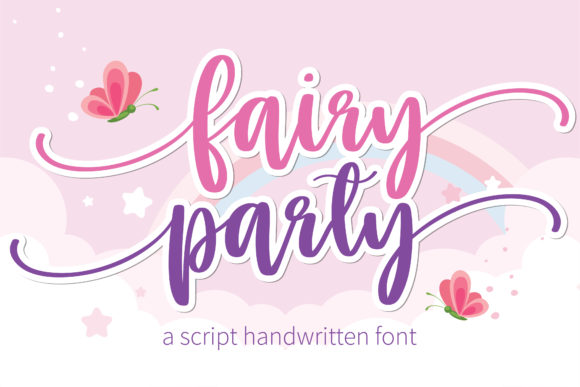
Fairy Party: Embracing the Handwritten Touch in Modern Design
In a world increasingly dominated by crisp, digital interfaces and algorithm-generated content, there's a quiet, persistent yearning for the personal. We crave authenticity, a human fingerprint on the things we create and share. This shift isn't just a fleeting trend; it's a fundamental change in how we communicate and connect. The tools we use are evolving to meet this need, moving beyond sterile efficiency to offer warmth and character. At the heart of this movement is a return to the artistry of the handwritten word, a style that feels both timeless and deeply personal. It's this very feeling that a typeface like Fairy Party so perfectly captures, offering a bridge between the convenience of digital creation and the irreplaceable charm of a hand-lettered note.
The Enduring Allure of a Handwritten Aesthetic
The appeal of handwriting is rooted in its uniqueness. No two signatures are perfectly identical, no hastily scribbled note looks exactly like another. This inherent imperfection is its strength. It conveys effort, thought, and a direct connection between the creator and the recipient. For decades, graphic design sought to replicate the precision of machines. Now, the pendulum has swung back. We see it in the rise of bespoke branding, the popularity of handcrafted goods on marketplaces like Etsy, and the emphasis on "authentic" content across social media. A beautifully rendered script font is no longer just a decorative element; it's a strategic tool for conveying personality and building a genuine connection with an audience.
This is where the practicality of a digital font like Fairy Party becomes invaluable. It provides the aesthetic of hand lettering without requiring years of calligraphy practice or the expense of hiring a professional for every small task. It allows a solo entrepreneur to create a logo that feels as personal as a signature, or a blogger to add a touch of elegance to their graphics that feels truly their own. The font is not just a collection of letters; it's a vessel for a specific feeling—one that is equally charming and elegant. It democratizes a high-end design aesthetic, making it accessible to everyone from wedding planners to marketing professionals.
Beyond the Basic Letterforms: The Power of Ornaments
What truly sets a script font apart is its versatility and depth. A simple alphabet, no matter how beautifully drawn, can sometimes feel limited. This is where swashes, ligatures, and alternate characters come into play. These are the extra flourishes, the decorative connections between letters, and the stylistic variations that allow for truly custom typography. They are the difference between simply typing words and actively designing with them. In the past, accessing these specialized characters could be a technical hurdle, often requiring specialized software knowledge.
This is a critical point for modern creators, and it’s an area where a font’s technical build is as important as its visual design. A font that is PUA (Private Use Areas) encoded is built for ease of use. This means that all of the beautiful, ornamental glyphs and swashes that give a script font its character are readily accessible through standard programs, without the need for advanced OpenType features in software like Adobe Illustrator or InDesign. For the business owner designing a social media post in Canva, the freelancer creating a quote graphic, or the hobbyist making a personalized card, this accessibility is a game-changer. It ensures that the full creative potential of the font is unlocked, allowing anyone to add those stunning, professional-looking details with ease.
Practical Applications: Where Fairy Party Shines
The true test of any design asset is its application. A font like Fairy Party, with its blend of charm, elegance, and technical accessibility, finds its home in a wide array of projects. Its strength lies in its ability to elevate a design from merely functional to emotionally resonant.
- Wedding and Event Stationery: This is a natural fit. The font's elegant style is perfect for wedding invitations, save-the-dates, place cards, and thank you notes. It sets a romantic and sophisticated tone that feels both classic and personal.
- Branding and Business Identity: For small businesses, especially those in creative, lifestyle, or artisanal fields, a handwritten font can be a cornerstone of their brand identity. It works beautifully for logos, business cards, and packaging, conveying a sense of care, quality, and human touch. Imagine a bakery with its name rendered in Fairy Party on its signage and bags—it immediately feels more welcoming and artisanal.
- Digital Content and Social Media: In the fast-paced world of digital marketing, standing out is key. Using a font like this for quotes, Instagram story highlights, blog post titles, or call-to-action graphics can capture attention and stop the scroll. It adds a layer of personality that a standard sans-serif font cannot.
- Personal Projects and Gifting: The applications extend beyond professional use. It is ideal for creating custom greeting cards, scrapbook layouts, photo album titles, or personalized gifts. It allows hobbyists and creators to produce beautiful, high-quality designs that feel handmade.
The key to using such a distinctive font effectively is balance. Pairing it with a clean, simple sans-serif or serif font for body text ensures readability and prevents the design from feeling cluttered. Use the script font for headlines, names, and short, impactful phrases where its character can truly be appreciated.
The Evolving Landscape of Creative Tools
The accessibility of high-quality design resources reflects a broader shift in our creative ecosystem. Tools that were once the exclusive domain of large agencies are now available to individuals and small teams. This has fueled an explosion of creativity and entrepreneurship. The expectation is no longer for generic, template-driven design, but for work that has a distinct point of view. A font like Fairy Party is a product of this new landscape. It is designed not just to be beautiful, but to be usable. Its PUA encoding is a direct response to the needs of modern creators who work across a variety of platforms and have varying levels of technical expertise.
This forward-looking approach to design tool development is crucial. It acknowledges that creativity shouldn't be hindered by technical barriers. By making ornamental characters easily accessible, it empowers users to experiment and refine their designs, leading to more polished and professional outcomes. It’s a small but significant detail that speaks to a larger commitment to user-centric design. For anyone looking to infuse their projects with a touch of handwritten elegance, having a reliable and versatile tool is essential. You can explore the full character set and see its potential by viewing the Fairy Party font details.
Grounding the Aesthetic in Purpose
While the charm of a handwritten font is undeniable, its effectiveness is always tied to purpose. It’s not a universal solution for every design challenge. In contexts requiring high legibility at small sizes, such as lengthy body text or legal disclaimers, a simpler font is always a better choice. The goal is to use the font as an accent—a tool to draw the eye, evoke an emotion, or establish a specific tone. When used thoughtfully, it enhances the overall message rather than distracting from it.
Ultimately, the enduring appeal of a font like Fairy Party lies in its ability to humanize our digital creations. It’s a reminder that behind every brand, every invitation, and every social media post, there are people. In an age of automation and digital noise, that human touch is more valuable than ever. It’s not just about looking good; it’s about feeling right. It’s about creating something that feels equally charming and elegant, something that resonates on a personal level. This is the quiet power of a well-crafted handwritten font, and why it remains a vital tool for creators and communicators today.