Miora: The Strategic Serif for Modern Branding and Visual Communication
In the saturated landscape of digital and print media, the difference between a brand that is remembered and one that is overlooked often lies in the details of its visual identity. While marketing strategies and content calendars are essential, the typography chosen to deliver that content acts as the bridge between the message and the audience. Miora represents a distinct class of typeface that offers more than just legibility; it provides a psychological anchor for high-end positioning. As a serif font characterized by a blend of sophistication and adaptability, Miora serves as a strategic tool for entrepreneurs, marketers, and creators aiming to build an iconic brand image that adheres to the mind.
Understanding the Visual Psychology of Miora
To utilize a font effectively, one must first understand the subconscious signals it sends to the viewer. Serif fonts have historically been associated with tradition, authority, and reliability. However, Miora distinguishes itself by balancing these traditional roots with a modern, clean design. This duality allows it to function as a versatile asset in a creative’s toolkit. When a decision-maker selects Miora for their visual communication, they are signaling a commitment to quality and permanence without appearing outdated.
The "attractive" nature of Miora is not merely aesthetic; it is functional. In a world where users scroll through content at lightning speed, the elegant curves and structured serifs of Miora can slow the eye down, inviting the reader to engage more deeply with the text. This is particularly valuable for brands that wish to convey a sense of luxury or exclusivity. Unlike generic sans-serif fonts that blend into the background, Miora commands attention, making it an ideal choice for headers, logos, and pull quotes where the goal is to create a lasting impression.
Strategic Applications: Where Miora Excels
Choosing the right typeface is a tactical decision that should align with specific business goals. Miora’s adaptability makes it suitable for a variety of high-impact applications. Understanding where to deploy this font can help streamline your design process and ensure consistency across all customer touchpoints.
High-End Fashion and Editorial Design
The fashion industry relies heavily on visual storytelling. The clean design of Miora makes it an ideal candidate for creating high-end fashion magazine content or stately book covers. In editorial layouts, the font provides a rhythmic flow that guides the reader through long-form content. Its sophistication complements high-resolution photography, ensuring that the typography does not clash with the imagery but rather enhances it. For publishers and bloggers in the lifestyle sector, Miora offers the editorial elegance required to establish credibility.
Branding and Iconic Imagery
A logo must function as the cornerstone of a brand's identity. Miora is an attractive choice for branding because it creates an iconic image that is easy to recall. The font’s distinct character allows businesses to stand out in crowded marketplaces. Whether you are a small business owner designing a new logo or a freelancer creating a personal brand mark, the adaptability of Miora ensures that the design remains relevant across different mediums, from business cards to website headers.
Merchandise and Apparel
The apparel market is increasingly competitive, and consumers are looking for designs that resonate with their personal style. Miora is perfect for making statements on apparel and t-shirts. Its quotable nature lends itself well to typographic designs where the message is the primary visual element. Furthermore, the trendy and seasonal adaptability of the font means it can be used for limited edition drops or year-round staples without losing its appeal.
Packaging and Product Presentation
Packaging is often the first physical interaction a customer has with a product. With a touch of authenticity, Miora has the power to transform packaging design, adding a luxurious feel that elevates the perceived value of the item inside. For entrepreneurs in the cosmetic, gourmet, or artisanal sectors, using Miora on labels and boxes can justify a premium price point. It signals to the consumer that the product is crafted with care and attention to detail.
Integrating Miora into Your Workflow
Adopting a new typeface requires more than just downloading a file; it requires a thoughtful approach to implementation. To get the most out of Miora, creators should consider how it fits into their existing design ecosystem. The goal is to use the font intentionally rather than randomly, ensuring that every application serves a specific communicative purpose.
Planning and Hierarchy
Effective typography relies on hierarchy. Miora’s versatility allows it to be used for both display purposes and, in certain weights, body text. However, strategic planning is required to balance its strong personality. Consider using Miora for headlines to capture attention, while pairing it with a complementary, neutral typeface for body copy. This prevents visual fatigue and ensures that the elegance of Miora remains impactful. When planning a layout, map out where the font will have the most significant emotional impact—usually the first and last elements the viewer sees.
Combining Stencil Practicality with Editorial Elegance
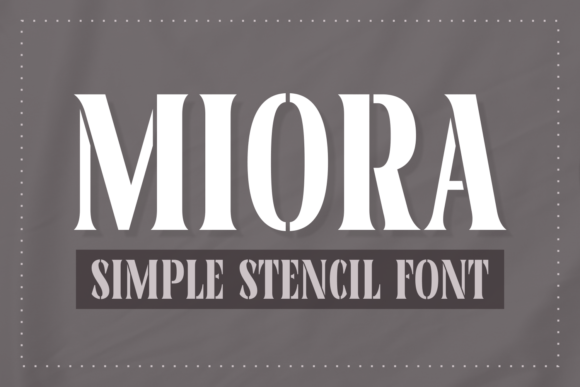
One of the unique attributes of Miora is its ability to combine the practical benefits of stencil fonts with the elegance expected in advertising. This structural integrity makes it highly legible even at smaller sizes or in challenging viewing conditions. For web design, this means that Miora can be used in navigation menus or call-to-action buttons without sacrificing readability, a common pitfall with overly decorative serif fonts. In advertising, this clarity ensures that your message is communicated instantly, regardless of the medium.
Avoiding Common Pitfalls
While Miora is a powerful tool, it is not a universal solution for every design challenge. One of the risks of using a distinct serif font without clear goals is the potential for brand misalignment. For example, if a brand’s core identity is rooted in ultra-modern minimalism or industrial utility, the sophistication of Miora might feel out of place. It is crucial to audit your brand values before committing to a typeface.
Another consideration is context. Using a highly stylized font like Miora for dense, technical documentation can hinder readability and frustrate the user. The font’s strength lies in its ability to convey mood and style; therefore, it should be reserved for contexts where these attributes are valued. Avoid the temptation to use Miora for every element of a design. Overuse can dilute its impact. Instead, use it strategically to highlight key information and create focal points.
Long-Term Value and Brand Consistency
Building a recognizable brand takes time, and consistency is the key to success. By adopting Miora as part of your visual language, you are investing in a typeface that offers long-term value. Its balance of trend-awareness and classic structure ensures that it will not feel obsolete after a single season. For decision-makers looking to build a robust visual communication strategy, Miora provides a reliable foundation.
The "irresistible asset" of Miora lies in its ability to adapt to the creator's vision. Whether you are designing a greeting card, a website, or a corporate brochure, the font bends to the will of the designer while maintaining its inherent elegance. It empowers creators to produce professional-grade content that resonates with adult audiences—from the discerning consumer to the corporate professional.
Ultimately, the beauty and versatility of Miora awaits your command. By approaching its use with intentionality—planning your hierarchy, understanding your audience, and aligning the font with your strategic goals—you can unlock a new level of sophistication in your work. Miora is not just a font; it is a partner in the creative process, helping you transform ideas into tangible, high-impact realities.