The Visual Vocabulary: How Medical Doodle Font is Reshaping Modern Design
In the current landscape of digital content and physical product design, the line between functional utility and aesthetic charm is becoming increasingly blurred. We are witnessing a significant shift in how audiences consume information—moving away from sterile, corporate minimalism toward a more human-centric, approachable visual language. This shift is not merely a passing fad; it is a reflection of changing consumer psychology and the democratization of design tools. At the intersection of this trend lies a unique asset that has garnered attention from professionals and hobbyists alike: Medical Doodle.
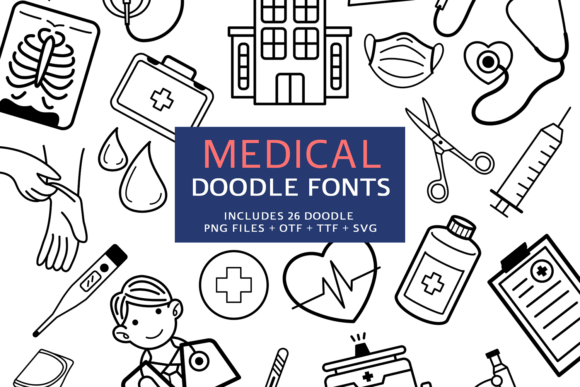
While the name suggests a specific niche, the application of this typeface is vast. Medical Doodle is a fun and cute dingbats font that transcends its thematic roots to serve as a versatile tool in a designer’s arsenal. Its appeal lies in its ability to transform mundane text into engaging visual narratives, making it a critical asset for anyone looking to capture attention in a saturated market.
Understanding the Dingbat Renaissance
To understand the value of Medical Doodle, one must first appreciate the resurgence of dingbat fonts in the broader design ecosystem. Historically, dingbats were simple ornamental characters used to break up text. However, modern typography has evolved these symbols into intricate, scalable vector graphics embedded within font files. This evolution aligns perfectly with the current no-code design movement, where creators seek powerful visual assets that do not require advanced graphic design software to manipulate.
The versatility of Medical Doodle makes it great for a wide pool of craft projects, designs, planners, diaries, activity books, and more. This adaptability is crucial in an era where multi-platform content creation is the standard. A single asset that can seamlessly transition from a digital planner on an iPad to a printed workbook or a social media graphic offers immense value to freelancers and entrepreneurs managing their own branding.
The Psychology of "Cute" in Professional Spaces
There is a distinct psychological reason why a font described as "fun and cute" is gaining traction in professional environments. The concept of "emotional design" suggests that products which elicit positive emotions are perceived as more usable. In the healthcare, wellness, and educational sectors—where anxiety levels can be high—visual cues that soften the environment are invaluable.
By utilizing Medical Doodle, marketers and educators can present complex or potentially intimidating health-related information in a non-threatening manner. This is not about dumbing down content; it is about accessibility. When a design feels approachable, engagement rates naturally rise. This trend is visible in the rise of gamified health apps and the "kawaii" aesthetic in user interface (UI) design, proving that professionalism and playfulness are not mutually exclusive.
Practical Applications in the Creator Economy
The creator economy thrives on unique, recognizable aesthetics. For professionals ranging from Etsy shop owners to corporate wellness consultants, the ability to differentiate their products is a primary business goal. Medical Doodle provides a distinct visual signature that can be applied across various mediums.
- Planners and Diaries: In the booming market of stationery, users are moving away from generic icons. Customization is key. Medical Doodle allows creators to offer themed sticker sheets or header graphics that resonate with niche audiences, such as healthcare workers or patients tracking chronic conditions.
- Educational Material: For freelancers in the education sector, activity books and worksheets require visual stimulation to maintain student focus. The playful nature of the font makes learning materials feel less like a chore and more like an interactive experience.
- Branding and Marketing: Startups, particularly those in the biotech or telehealth space, often struggle to appear approachable. Incorporating elements from Medical Doodle into marketing collateral can bridge the gap between cutting-edge technology and user trust.
Streamlining Creative Workflows
Efficiency is a currency in the modern creative workflow. Traditionally, if a designer needed a specific icon—say, a stethoscope or a bandage—they would have to open vector software, draw it, and export it. This process breaks the creative flow.
With a font like Medical Doodle, the workflow is streamlined significantly. Because it functions as a font, users can simply type a character to generate a high-quality graphic. This integration allows for rapid prototyping and iteration. Entrepreneurs who may not have the budget for a dedicated graphic designer can leverage these assets to produce professional-grade content independently. This empowerment of the solo creator is a defining characteristic of the current market landscape.
Aligning with Modern Consumer Trends
The relevance of Medical Doodle is also tied to broader consumer trends regarding personalization and the "analog revival." Despite living in a digital age, there is a growing counter-movement favoring tangible, handwritten, or hand-drawn aesthetics. Consumers crave authenticity. The hand-drawn feel of Medical Doodle provides that organic texture that rigid, digital fonts often lack.
Furthermore, the wellness industry is expanding beyond physical health into mental and emotional well-being. Bullet journaling and planning have been proven to reduce anxiety. By using visually pleasing elements like Medical Doodle, users enhance the therapeutic value of their planning sessions. It turns a task management system into a creative outlet.
The Role of Typography in User Experience (UX)
In the realm of UX design, micro-interactions and visual feedback are essential. Typography plays a massive role in how a user perceives the interface. While Medical Doodle might not be used for body text, its utility in iconography and headers is undeniable. It serves as a visual shorthand that communicates complex ideas instantly.
For instance, a mobile app designed for medication adherence could use characters from Medical Doodle to represent different types of medicine or reminders. This visual consistency builds a cohesive brand language that users learn to recognize and trust. It is a subtle but powerful way to improve user retention through design.
Navigating the Future of Design Assets
As we look toward the future of design, the demand for specialized, thematic assets will only grow. The market is becoming too saturated for generic stock imagery to be effective. Professionals need tools that speak directly to their audience's interests and needs.
The success of assets like Medical Doodle indicates a broader shift toward contextual design. Designers are no longer just decorating; they are curating experiences that align with specific lifestyles and professions. Whether it is for a pediatrician’s office, a pharmaceutical company’s internal newsletter, or a health-focused influencer’s Instagram story, the context dictates the tool.
Moreover, the cross-compatibility of modern font files ensures that assets like Medical Doodle remain relevant across different operating systems and devices. This longevity is a key consideration for businesses investing in their visual identity. They need to know that the assets they adopt today will remain functional and high-quality as technology evolves.
Conclusion
The rise of Medical Doodle is more than just a trend in typography; it is a case study in how design adapts to human needs. By combining the functionality of a font with the expressiveness of illustration, it meets the modern demand for efficiency, personality, and versatility.
For the professional creator, the marketer, or the entrepreneur, understanding and utilizing such tools is essential. It allows for the creation of content that is not only visually appealing but also emotionally resonant. In a world where attention is the scarcest resource, the ability to communicate with charm and clarity—exactly what Medical Doodle offers—is a competitive advantage that cannot be ignored.