Card Notes: Mastering the Art of Elegant Simplicity in Typography
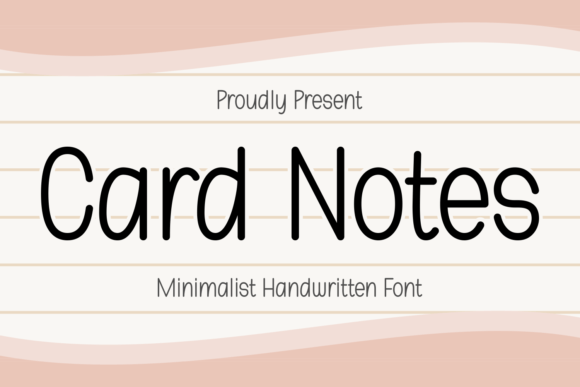
In the vast landscape of digital typography, it is easy to feel overwhelmed by bold serifs, heavy sans-serifs, and decorative scripts that scream for attention. However, there is a distinct power in restraint. Card Notes, a minimalist handwritten font, stands out precisely because it does not shout. With its clean, slender lines and effortless strokes, it captures the essence of authenticity and sophistication. It is designed for creators who value clarity and elegance over complexity. Whether you are a small business owner designing a logo, a blogger crafting a header, or a freelancer working on a client’s wedding invitation, understanding how to wield this specific style of typography is crucial.
The Allure of the Handwritten Aesthetic
Why are designers and entrepreneurs so drawn to fonts like Card Notes? The answer lies in the human desire for connection. In an era dominated by rigid digital interfaces, a handwritten font offers a tactile, organic touch. It suggests that a real person is behind the message. Card Notes excels in this department by avoiding the messy, illegible look of many "authentic" scripts. Instead, it offers a polished version of handwriting that feels personal yet professional. It is versatile enough for product packaging, lifestyle branding, and social media quotes, providing a soft visual break from standard corporate typefaces.
Common Pitfalls in Typography Selection
However, the beauty of a font like Card Notes often leads to specific user errors. The most frequent mistake is selecting a font based solely on how it looks in isolation on a design platform. A typeface that looks charming in a preview may fail completely in the real-world application. Beginners often fall in love with a specific style without testing its legibility at the size it will actually be displayed. This oversight can lead to frustration, wasted time, and a final product that fails to communicate its message effectively.
The Legibility Trap
The primary concern with slender, minimalist fonts is readability. Card Notes features delicate strokes, which is part of its charm, but this can become a liability if you are not careful. A common error is using this font for body text or long paragraphs. Handwritten fonts are rarely designed for dense reading; they are intended for display, headers, and short bursts of text. If you force Card Notes into a 12-point paragraph, readers will struggle to decipher the words, leading to eye strain and a loss of engagement.
Furthermore, color contrast is often overlooked. Because the lines of Card Notes are slender, placing them on a high-contrast background (like black text on a white background) works best. Using a light grey text on a white background, or pastel colors on a light photo, will cause the font to vanish entirely. Always prioritize high contrast to ensure your message cuts through the noise.
Ignoring Context and Brand Voice
Another misunderstanding is the assumption that "elegant" fits every brand. Card Notes exudes a specific vibe—it is relaxed, sophisticated, and organic. If you are designing a legal contract, a technical manual, or a heavy industrial report, this font is the wrong choice. Using a minimalist handwritten font in a formal or highly technical context can make your brand appear unprofessional or lacking in seriousness. The font must match the message. For a coffee shop menu or a boutique clothing tag, Card Notes is perfect. For a quarterly financial statement, it is a poor decision.
Better Approaches to Implementation
To get the most out of Card Notes, you must treat it as an accent piece rather than the workhorse of your design. Think of it as the jewelry of your layout—it adds sparkle and personality, but it shouldn't weigh down the outfit.
Pairing for Balance
One of the best strategies for using handwritten fonts effectively is pairing. Card Notes pairs exceptionally well with clean, geometric sans-serifs or classic serifs. The contrast between the structured, neutral font and the organic, flowing nature of Card Notes creates visual hierarchy. For example, use a bold sans-serif for the main headline and Card Notes for the sub-headline or a specific call-to-action phrase. This guides the reader’s eye and prevents the design from feeling too "floaty" or unstable.
Spacing and Sizing
Because of its minimalist nature, Card Notes benefits greatly from generous spacing. If you cram the letters too close together, the elegant strokes will overlap and create a visual blob. Increasing the letter-spacing (tracking) slightly allows the font to breathe, enhancing its sophisticated character. Additionally, always view the font at the size it will be printed or displayed. If you are designing a banner, zoom out to 100% view to ensure the thin strokes are visible from a distance.
Technical Considerations Before You Buy
Before committing to Card Notes for a major project, there are a few technical checks you should perform to avoid headaches later.
- File Format Compatibility: Ensure the font files (OTF or TTF) are compatible with your specific design software. Most modern software handles these well, but it is always worth a quick check.
- Language Support: If you are creating content for an international audience, verify that Card Notes includes the necessary diacritical marks and special characters for languages other than English.
- License Scope: Check the licensing terms. If you are a freelancer using the font for a client's logo, ensure the license allows for commercial use and logo creation. Some fonts have restrictions on embedding them in apps or digital products.
Conclusion: Sophistication through Restraint
Card Notes is a beautiful tool for any designer’s arsenal, offering a bridge between digital precision and human touch. However, its effectiveness relies entirely on how it is used. By avoiding the pitfalls of poor legibility, inappropriate context, and bad color contrast, you can elevate your designs from amateur to professional. Treat Card Notes with respect—use it sparingly, pair it wisely, and ensure it is technically sound for your needs. When applied correctly, it transforms a simple layout into a piece of art that feels both authentic and undeniably elegant.