Mrs. Claus and the Magic of Hand-Crafted Fonts: How Whimsical Typography Brings Stories to Life
When we think of the holiday season, vivid imagery immediately comes to mind: twinkling lights, the scent of pine, and the warmth of a cozy fireplace. Central to these images are iconic characters, most notably Santa Claus. However, standing right beside him, often in the background but equally vital to the narrative, is Mrs. Claus. While she is traditionally viewed as the keeper of the North Pole and the baker of Christmas cookies, her aesthetic influence extends far beyond the kitchen. In the world of graphic design and typography, the spirit of Mrs. Claus has inspired a specific style of typeface: the whimsical, hand-crafted sans serif font. This article explores the intersection of character branding and typography, explaining how these youthful, hand-drawn designs capture the magic of storytelling in modern communication.
Understanding the Aesthetic of Mrs. Claus
To understand the font style associated with Mrs. Claus, one must first understand the character's evolution. While Santa is defined by his red suit and booming voice, Mrs. Claus is often characterized by warmth, domesticity, and a gentle, guiding hand. In modern pop culture and marketing, she is frequently depicted as more active—perhaps an elf supervisor or a savvy businesswoman running the toy logistics—but her core visual identity remains rooted in approachability.
Designers often seek to capture this specific "approachable authority" through typography. When creating materials related to the North Pole, holiday baking, or family-centric events, a rigid, corporate typeface feels out of place. Instead, the visual language requires something softer, something that feels human. This is where the hand-crafted sans serif comes into play. It mimics the imperfections of human handwriting, evoking the feeling of a handwritten letter from the North Pole or a recipe card passed down through generations.
What is a Hand-Crafted Sans Serif Font?
Typography is generally divided into categories, with Serif and Sans Serif being the two primary families. Serif fonts have small lines attached to the ends of letters (like Times New Roman), often conveying tradition and formality. Sans Serif fonts lack these lines, offering a cleaner, more modern look.
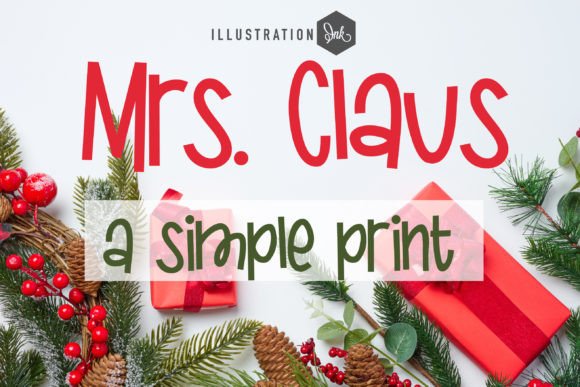
A hand-crafted sans serif takes the clean structure of a sans serif font and applies the organic texture of hand lettering. Unlike standard computer-generated fonts, which are mathematically perfect and identical every time they are used, a hand-crafted font is designed to look like it was written by a human hand. It features slight variations in line weight, uneven baselines, and unique character shapes.
Key characteristics of this style include:
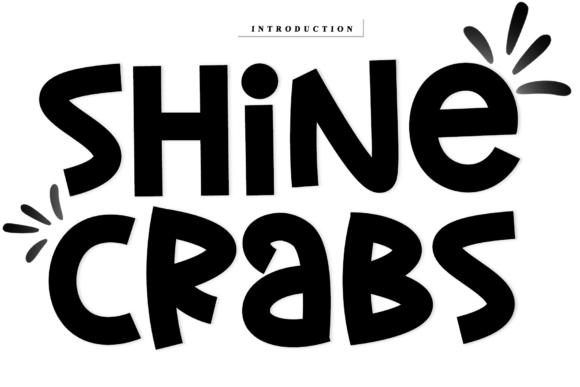
- Organic Shapes: Letters are not perfectly geometric. They may have a slight bounce or tilt.
- Texture: The edges of the letters might look like they were drawn with a felt-tip pen or a brush, rather than a pixel-perfect vector tool.
- Whimsy and Youth: The style often feels playful, making it ideal for content targeting children or families.
The "Print" Nature of the Font
The term "print" in this context refers to the visual impression the font makes. It is a typeface designed for legibility and impact, but with a distinct personality. When we say a font is a "whimsical and bit youthful print," we are describing its ability to convey a tone of innocence and fun before the reader even processes the words themselves. It is a visual representation of the voice of Mrs. Claus—kind, patient, and festive.
The Psychology of Whimsy in Design
Why does a specific font style matter so much? The answer lies in psychology. Fonts carry emotional weight. A jagged, aggressive font might suggest danger or excitement (like a horror movie poster), while a flowing script suggests elegance (like a wedding invitation).
The "Mrs. Claus" style of font—whimsical, hand-crafted, and youthful—triggers specific emotional responses:
- Nostalgia: It reminds us of childhood, learning to write, or receiving handwritten notes from grandparents.
- Trust: Because it looks "human-made," it feels more personal and less corporate. It suggests that a real person put effort into the design.
- Joy: The playful nature of the letterforms lifts the mood of the viewer, making the content feel lighter and more enjoyable.
This psychological impact is crucial for branding. If Mrs. Claus were to brand her cookie business, she would likely avoid a stiff, military-style font. Instead, she would choose a typeface that feels like a warm hug. This aligns with the concept of brand personality, where visual elements are chosen to reflect human traits.
Practical Applications: Where to Use Whimsical Hand-Crafted Fonts
While the aesthetic is charming, it is not a one-size-fits-all solution. Understanding the practical relevance of this typography style is essential for designers, marketers, and hobbyists alike. The utility of a hand-crafted sans serif extends into various facets of modern life.
1. Invitations and Greeting Cards
The most common application for this style is in stationery. Whether it is a child’s birthday party or a community holiday gathering, the handwritten style sets a casual, welcoming tone. It tells the guests, "This will be a fun, relaxed event." It bridges the gap between a formal announcement and a casual conversation.
2. Branding for Family-Centric Businesses
Businesses that cater to children, families, or the food industry often utilize these fonts. A bakery, a daycare center, or a boutique toy shop benefits from the "homemade" aesthetic. It suggests quality ingredients and personal care, much like the implied quality of Mrs. Claus’s famous gingerbread.
3. Educational Materials
In education, particularly for younger students, whimsical sans serif fonts can make learning materials less intimidating. A math worksheet printed in a stiff, serif font can feel academic and cold. The same worksheet printed in a friendly, hand-crafted font feels more like a game, encouraging engagement.
4. Digital Content and Social Media
In the fast-paced world of social media, stopping the scroll is vital. Whimsical typography is eye-catching because it breaks the monotony of standard web fonts like Arial or Helvetica. It adds a layer of personality to Instagram posts, blog headers, and digital newsletters.
The Balance of Professionalism and Playfulness
While the charm of a hand-crafted font is undeniable, there is a significant risk in its misuse. This is a common misunderstanding in design: the belief that "friendly" equals "professional." In reality, context dictates appropriateness.
Imagine receiving a legal contract written entirely in a whimsical, youthful print. The font would undermine the seriousness of the document, potentially causing confusion or distrust. Conversely, a corporate report for a Fortune 500 company requires a font that conveys stability and neutrality.
The key is to match the font to the project scope. A formal handwritten font (one that is neat and consistent) might work for a boutique law firm’s logo, but an informal, bouncy font (the Mrs. Claus style) should be reserved for creative projects, casual communications, and branding that prioritizes personality over authority.
Technical Considerations for Designers
For those looking to incorporate this style into their work, there are technical nuances to consider. Hand-crafted fonts can sometimes suffer from legibility issues, particularly in long-form text. Because the letters are irregular, reading a full paragraph in a highly stylized handwritten font can strain the eyes.
Here are a few tips for effective implementation:
- Use for Headlines: Apply the whimsical font to headers (H1, H2) to grab attention, but use a standard, clean sans serif for the body text.
- Check Character Support: Ensure the font includes all necessary punctuation and numbers. Hand-crafted fonts sometimes lack special characters.
- Pairing: Pair the whimsical font with a neutral background. Too many competing design elements can make the layout look chaotic.
- Scale: These fonts often look best at larger sizes where the "brush strokes" or "pen marks" are visible. When shrunk down too small, they can become muddy blobs.
The Timelessness of the Human Touch
In an era dominated by artificial intelligence and digital perfection, the appeal of the hand-crafted aesthetic is growing stronger. We are seeing a resurgence in "imperfect" design because it feels authentic. It reminds us that behind every product, invitation, or social media post, there is a human being.
Mrs. Claus represents the ultimate human touch. She is the organizer, the nurturer, and the creative force behind the magic. Her typographic equivalent—the whimsical, youthful sans serif—serves the same purpose in design. It softens the hard edges of the digital world, inviting the viewer to relax, smile, and engage.
Conclusion
The connection between Mrs. Claus and hand-crafted typography is more than just a seasonal novelty; it is a study in effective communication. By choosing a font that is whimsical and youthful, designers can evoke feelings of warmth, nostalgia, and trust. Whether used on a holiday card, a bakery menu, or a playful website, the hand-crafted sans serif serves as a reminder that the best designs are those that feel personal.
As you move forward in your own creative or professional endeavors, consider the voice of your typography. Are you trying to sound like a corporate boardroom, or are you trying to sound like a friend welcoming you into a warm kitchen? If it is the latter, a touch of that hand-crafted magic might be exactly what you need to bridge the gap between your message and your audience.