Celtic Stitches: A Practical Look at This Hand-Crafted Font
In a digital landscape saturated with sleek, minimalist sans-serifs, a typeface that embraces texture and tradition can be a powerful tool. Celtic Stitches is one such font, a design that deliberately steps away from the screen-perfect to offer something with character and craft. It is not merely a font with a Celtic aesthetic; it is a hand-crafted typeface where the defining feature is the simulated stitch effect woven into each letterform. This article provides a practical evaluation of Celtic Stitches, examining its characteristics, ideal applications, and potential limitations to help you determine if it fits your creative toolkit.
Understanding the Core Concept
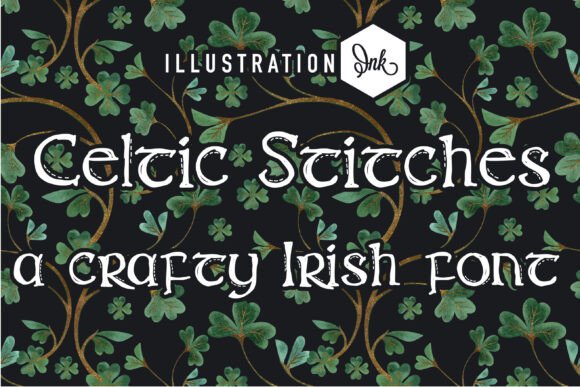
Celtic Stitches is best described as a display typeface with a pronounced decorative theme. Its foundation is a set of letterforms inspired by historical Celtic manuscript art, characterized by strong vertical strokes and subtle, angular curves. The primary innovation, however, is the treatment of the strokes themselves. Each line appears to be constructed from a series of small, consistent dashes or loops, mimicking the look of embroidery or cross-stitch. This gives the font a tactile, handmade quality that feels intentionally analog. The purpose is clear: to inject a sense of warmth, tradition, and artisanal effort into digital projects. It leverages the visual language of folk art and needlecraft to create an immediate emotional connection.
Key Characteristics and Strengths
The font's most significant strength is its unmistakable personality. Celtic Stitches does not blend into the background. Its stitch effect is consistently applied across the uppercase and lowercase alphabet, as well as numerals and basic punctuation, creating a cohesive visual system. This consistency is crucial for a decorative font; it ensures that words and phrases look unified rather than like a jumble of disparate elements.
From a usability perspective, Celtic Stitches excels in specific contexts. Its legibility at larger sizes is a key asset. The stitch detail remains clear and impactful when used for headlines, logos, or featured text. The font typically includes a full set of standard characters, making it functional for basic typographic tasks. For designers, it offers a high degree of thematic value—it instantly communicates a specific vibe related to heritage, craft, comfort, or rustic charm. This can save significant time in concept development for projects that align with these themes.
Practical Applications and Real-World Use
Where does Celtic Stitches perform best? Its nature as a display font dictates its ideal environment. It is not suited for body copy, where its intricate details would impair readability over long passages. Instead, it shines in applications where short bursts of text carry high visual impact.
- Branding and Packaging: For a craft brewery, a bakery specializing in artisanal bread, a knitting supplies store, or a folk music festival, Celtic Stitches can form the core of a logo or headline typography. It immediately establishes a brand identity rooted in craftsmanship and authenticity.
- Event Materials: Invitations for a rustic wedding, a community fair, or a heritage-themed event benefit from its handcrafted feel. It sets a tone that is both celebratory and grounded.
- Digital and Print Media: Blog headers, social media graphics for DIY projects, book covers for historical fiction or cozy mysteries, and editorial pull quotes can all leverage its distinctive style to capture attention and reinforce a thematic message.
- Merchandise: T-shirts, mugs, tote bags, and posters targeting a niche audience interested in Celtic culture, needlecraft, or vintage aesthetics can use this font effectively for key phrases or slogans.
In practice, pairing is critical. Celtic Stitches works best alongside a clean, neutral companion font—such as a simple serif or sans-serif—for any secondary text. This contrast allows the decorative font to command attention without overwhelming the design, ensuring overall readability and professional balance.
Evaluating Quality, Flexibility, and Limitations
The quality of execution is paramount with a font like this. A well-designed Celtic Stitches font will have clean vector paths, ensuring it scales smoothly without jagged edges. The stitch effect should be uniform in weight and spacing, avoiding a messy or chaotic appearance. Before committing to a project, it is wise to test the font thoroughly at the intended output size.
Its flexibility is inherently limited by its strong theme. Celtic Stitches is not a versatile workhorse font; it is a specialty tool. Using it for a corporate financial report or a tech startup's UI would be incongruous and ineffective. Its value is tied directly to its niche. This is a professional consideration, not a flaw—it simply requires the designer to have a clear understanding of the project's audience and goals.
A potential limitation is overuse. Because the stitch effect is so distinctive, it can become visually fatiguing if applied too liberally. It is most effective when used sparingly for maximum impact. Furthermore, the intricate details may not reproduce well at very small sizes, making it unsuitable for fine print or detailed annotations.
Who Benefits Most from Celtic Stitches?
This font is a valuable asset for a specific set of creators and professionals. Graphic designers working on projects for clients in the food, craft, heritage, or lifestyle sectors will find it a time-saving solution for achieving a desired aesthetic. Freelancers and small business owners who manage their own branding can use it to create a distinctive and memorable identity without extensive custom illustration. Bloggers and content creators focused on topics like DIY, knitting, history, or folk arts can use it to enhance their visual storytelling and strengthen their brand voice.
Educators creating materials for history or art classes might also find it useful for engaging visual presentations. Essentially, anyone who needs to communicate a message of handmade quality, tradition, or rustic charm in a direct and visually engaging way is the ideal user for Celtic Stitches.
Making an Informed Decision
Celtic Stitches is not a font for every project, but for the right project, it can be exceptionally effective. Its worth lies in its ability to convey a specific, nuanced message through typographic form. When evaluating it, consider your audience's expectations and the project's core message. Does "handcrafted" or "heritage" align with your goals? If yes, this font offers a ready-made solution with considerable character.
The long-term value of including such a font in your library depends on your typical client base or personal projects. If you frequently work within themes where texture and tradition are paramount, it becomes a reliable go-to. If your work is primarily modern or corporate, it may sit unused. The key is to assess it as a specialist instrument. Use it with intention, pair it thoughtfully, and apply it to contexts where its unique stitchwork will be appreciated, not merely seen as an oddity. In doing so, Celtic Stitches can become a powerful ally in creating designs that feel genuinely personal and resonant.