Integrating Sebashi: A Practical Guide to Using Textured Brush Fonts in Creative Workflows
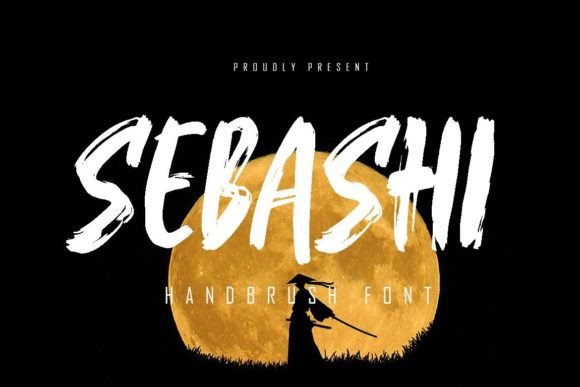
In the landscape of modern design, the choice of typography is rarely an isolated aesthetic decision; it is a functional component of the production pipeline. When selecting a typeface like Sebashi, a textured brush display font characterized by paint scratches and a hand-brushed aesthetic, the decision impacts everything from early-stage concept art to final delivery. Sebashi is not merely a decorative element; it is a tool designed to bridge the gap between raw artistic expression and the polished requirements of commercial media, including film, advertising, and brand identity.
For professionals ranging from independent freelancers to marketing directors, understanding how to integrate a font with such specific visual characteristics is essential. This guide explores the practical application of Sebashi within professional workflows, focusing on preparation, compatibility, and execution to ensure that this asset enhances rather than complicates your creative process.
Understanding the Asset: The Nature of Sebashi
Before incorporating Sebashi into a project, it is necessary to analyze its visual properties. As a textured display font, it carries the inherent irregularities of hand-painted strokes. Unlike clean sans-serifs or precise serifs, Sebashi contains "noise" in the form of scratches and varying ink density. This texture is its primary strength, offering an organic, human feel that digital vector fonts often lack.
However, this texture dictates its usage. Because of the detailed surface of the letterforms, Sebashi functions best at larger scales—typically for headlines, titles, and logos. In smaller body text, the paint scratches may merge, reducing legibility. Therefore, in the planning phase of a layout, Sebashi should be earmarked for high-impact, low-word-count applications. Recognizing this limitation early prevents wasted time during the execution phase.
Strategic Implementation in Film and Commercial Production
The prompt notes that Sebashi’s original stroke is suitable for film or commercial needs. In practice, this translates to specific stages of the video production and advertising workflow. For motion designers and video editors, typography is often the final layer that ties visual effects and narrative together.
Pre-Production and Storyboarding
During the storyboarding or mood-boarding phase, Sebashi can serve as a visual anchor for the project's tone. If a commercial campaign aims for a gritty, authentic, or artistic vibe, introducing a font like Sebashi during the concept stage helps stakeholders visualize the final look. It sets a precedent for the visual language, signaling that the project will rely on organic textures rather than sterile corporate minimalism.
Title Design and Lower Thirds
In post-production, Sebashi is particularly effective for title sequences and lower thirds. When overlaying text on video footage, the "paint scratch" texture of Sebashi allows the text to sit comfortably over complex backgrounds without looking like a digital imposition. To maximize this effect, editors should experiment with blend modes. Applying a "Multiply" or "Overlay" blend mode to text layers using Sebashi can help integrate the digital font with the texture of the underlying footage, creating a cohesive, hand-painted look that supports the narrative.
Workflow Integration for Graphic Designers and Marketers
For graphic designers working on static assets—such as social media graphics, posters, or packaging—Sebashi offers a way to add tactile quality without the mess of actual paint. However, integrating it requires a thoughtful approach to file organization and asset management.
Layering and Composition
When using Sebashi in a composition, avoid placing it directly on solid, flat backgrounds if you want to emphasize its realism. Instead, use it in conjunction with background textures like paper grain, concrete, or canvas. This synergy enhances the "hand-brushed" effect. A practical workflow tip is to create a specific layer style for your Sebashi text. Save a preset in Adobe Photoshop or Illustrator that includes a slight drop shadow or a subtle bevel to enhance the depth of the paint scratches, ensuring consistency across multiple deliverables.
Color Palette Considerations
The visual weight of Sebashi is heavy and textured. Consequently, it pairs best with muted, earthy, or monochromatic color palettes. Bright neon colors can sometimes clash with the organic nature of paint scratches, making the design look disjointed. During the color selection phase, test the font against the background color to ensure the texture remains visible. High contrast is usually required—for example, a rough white stroke on a dark charcoal background—so the intricate details of the brushwork are not lost.
Technical Compatibility and Quality Control
A practical workflow requires that assets perform reliably across different platforms. While Sebashi is designed for visual impact, technical due diligence is required to maintain quality control.
Vector vs. Raster
As a font file, Sebashi is technically vector-based, meaning it can be scaled infinitely without losing resolution. However, the "texture" inside the vector shape is complex. When converting text to outlines (a standard practice for sending files to print), ensure that the complex paths do not create rendering issues in RIP (Raster Image Processor) software used by printers. It is always advisable to request a proof when using textured fonts for large-format printing, such as banners or signage, to verify that the paint scratches print cleanly and do not appear as muddy blots at a distance.
File Preparation for Clients
If you are a freelancer delivering assets to a client, the inclusion of a specialized font like Sebashi requires clear documentation. Clients may not have the font installed on their systems. Therefore, your delivery workflow should include outlining fonts in vector files (AI/EPS) or rasterizing text layers in Photoshop files (PSD) to preserve the visual integrity of the design. If the client needs an editable template, provide the font file (if the license permits) or a link to the purchase page. This step prevents the "missing font" error that disrupts the client’s ability to edit their own materials.
Long-Term Use and Brand Consistency
For businesses and entrepreneurs, typography is a cornerstone of brand identity. If Sebashi is selected as a primary display font for a brand, it must be used consistently to build recognition.
Creating a Style Guide
When integrating Sebashi into a brand, document its usage in a style guide. Specify exactly which contexts it should be used in (e.g., "Headlines only," "Hero Images," "Video Titles") and where it should not be used (e.g., "Body Copy," "Legal Disclaimers"). Because Sebashi is a display font, it should be paired with a highly legible, neutral font for body text—such as a clean sans-serif like Roboto or Helvetica. This pairing ensures that the brand retains the artistic flair of Sebashi while maintaining readability for longer communications.
Scalability Across Media
Consider how Sebashi renders across different media types. On high-resolution Retina displays, the fine scratches of the brush will appear crisp. However, on lower-resolution screens or small mobile devices, these details may become pixelated or distracting. In responsive web design or mobile-first marketing campaigns, it may be necessary to use a simplified version of the logo or headline for small screen sizes, reserving the full Sebashi treatment for desktop views or print media.
Conclusion
Sebashi is more than just a collection of letters; it is a textured asset that demands a specific workflow to be effective. By treating it as a specialized tool rather than a generic text option, creators can leverage its unique paint-scratch aesthetic to elevate commercial projects, film titles, and brand identities. Success lies in the preparation: understanding the font's scale requirements, testing its technical compatibility with print and digital formats, and pairing it with complementary design elements. When integrated with a process-oriented mindset, Sebashi provides the authentic, hand-crafted quality that modern audiences respond to, supporting the business goals of the creator or company behind the work.